
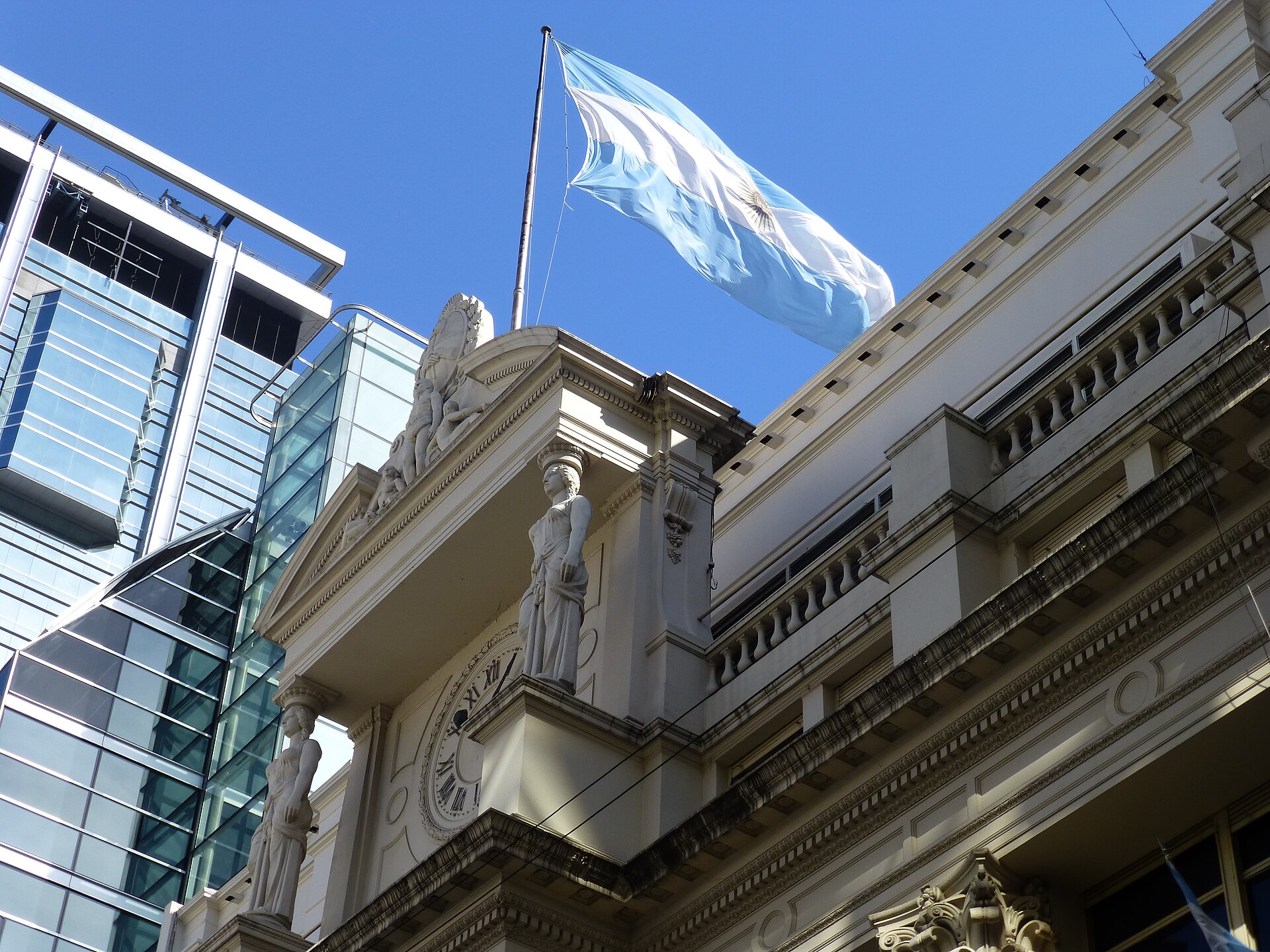
Argentina has officially banned its central bank from printing money to pay for government spending. Leaders made this decision to stop relying on fresh cash to cover public costs. This major policy change aims to bring strict control to the country's cash supply.
What is the new Argentina central bank money rule?
The government of Argentina will no longer ask the central bank to print extra cash when it needs to pay its bills. In the past, the government often created new paper bills to pay for public projects, bills, and everyday programs. Under the new order, this practice is completely off limits.
This means the state must now rely only on the money it actually collects. If the government wants to spend money on services, it has to find that cash through regular income like taxes. It can no longer just turn on the printing presses to fill a budget gap.
Why did Argentina bar central bank money printing?
When a country prints too much money, the cash in people's pockets loses its buying power very quickly. Argentina has struggled with rising prices and budget trouble for a long time. Stopping the central bank from making new money is meant to restore confidence in the nation's financial system.
By closing this easy path to cash, political leaders are forcing the government to live within its actual means. Here are the key details of what this move involves:
- The central bank cannot create new bills to pay for state budget gaps.
- The government must match its total spending to its real incoming revenue.
- The rule creates a hard boundary between central bank actions and public spending.
What does this money ban mean for everyday people?
For ordinary citizens, this policy change is meant to bring more stability to daily life. When the money supply stops growing so fast, the cost of groceries, rent, and basic items can stop rising at extreme rates. People can hold onto their savings without worrying that their cash will become worthless overnight.
However, this choice also means the government must be very careful with every bill it spends. Since the state cannot create quick cash out of nowhere, public funding for various programs could be cut back. Leaders will have to make tough choices about where the nation's limited money goes.
What happens next for Argentina's economy?
Lawmakers and political experts will closely watch how the government handles its budget in the coming months. Without the option to print extra cash, leaders must keep strict records and control all official projects. Foreign investors and local businesses will monitor the situation to see if the new rule stays in place.
If the plan works as intended, it could set a strong example for how the nation handles its political and financial choices moving forward. For now, the central bank must keep its printing presses quiet while the government adjusts to its strict new reality.



0 Comments