
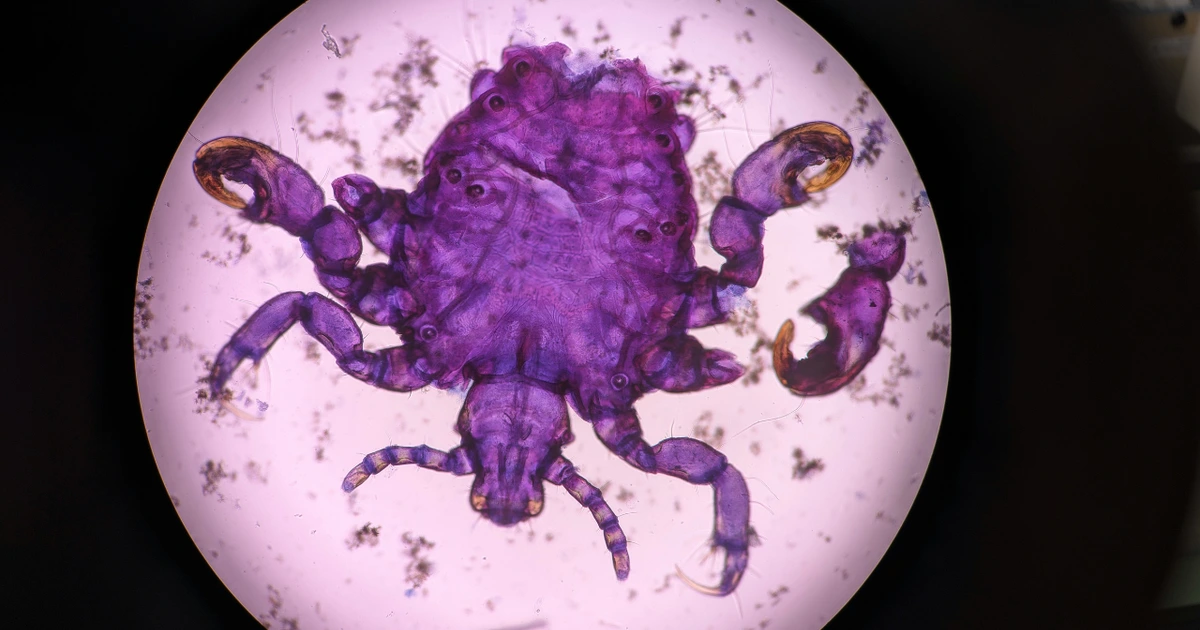
The Centers for Disease Control and Prevention reported a New World screwworm outbreak four days ago. Health officials are watching the situation closely to protect public safety. This update gives warning about a serious pest that affects living animals.
What Is the New World Screwworm Outbreak?
The Centers for Disease Control and Prevention confirmed the New World screwworm outbreak in a recent update. Screwworms are dangerous fly larvae that feed on the living flesh of warm-blooded animals. Female flies lay their eggs in open wounds or soft body tissues. Once the eggs hatch, the tiny worms burrow deep into the tissue and cause major damage.
This pest can infect farm animals, pets, and sometimes even humans. Infections can become severe very quickly if the pest is not stopped early. Health workers urge animal owners to check their livestock often for any unusual wounds. Early treatment is the best way to keep animals safe from harm during an active outbreak.
Why Is This Outbreak a Big Deal?
A New World screwworm outbreak can hurt farming communities and local economies very fast. Ranchers can lose many animals if the parasite spreads across fields and barns. Treatment costs can build up quickly for farmers who must care for sick livestock. Officials monitor these events to keep the agricultural supply chain running without costly delays.
The federal government works with state teams to track where the pests travel. Public health agencies share quick updates to keep communities informed about safety steps. Stopping the spread early protects local farms and keeps pet owners safe across impacted regions.
What Should You Watch For Right Now?
People who raise animals should watch for common signs of a screwworm infection today. Animals might seem weak, act nervous, or try to bite at their own wounds. You may see small larvae moving inside open cuts or sores on the skin. Keeping animal wounds clean and dry helps lower the chance of an infection.
- Inspect your pets and livestock daily for any open sores or small cuts.
- Clean every wound right away and apply proper protective medicine.
- Contact a local vet as soon as you spot suspicious larvae in a wound.
- Report any suspected cases to state agriculture officials immediately.
What Steps Will Health Officials Take Next?
Government agencies plan to use strong control measures to stop the pest from spreading further. Teams often release sterile flies into affected zones to lower the wild fly population. This proven strategy stops the flies from producing new generations of destructive worms. Officials also set up quarantine zones to check animals before they travel to new areas.
The CDC and agriculture departments will release more updates as they gather new field data. Farmers, pet owners, and vets must work together to spot cases fast. Staying informed helps communities protect their animals and stop the outbreak completely.



0 Comments