
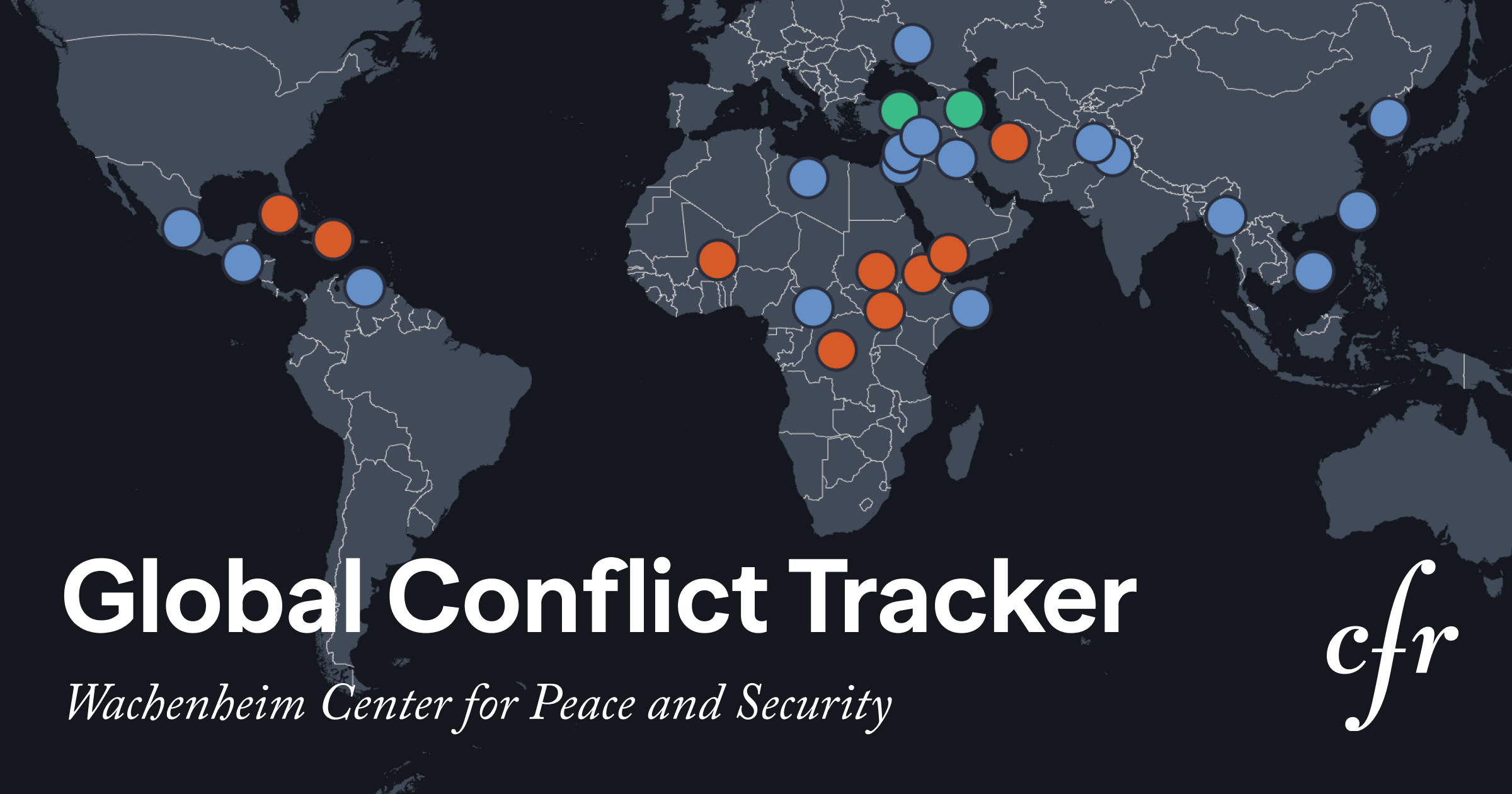
The Council on Foreign Relations updated its Global Conflict Tracker four days ago regarding the conflict in Ethiopia. Fighting and political tensions continue to cause severe instability in the region. This crisis affects millions of citizens who face daily uncertainty and safety risks.
What is happening with the conflict in Ethiopia?
The latest update highlights ongoing violence and instability across the country. Military actions and local disputes make life very hard for regular families. Many people must leave their homes to find safe places to sleep and eat. Peace remains difficult to reach as different groups compete for control.
International observers keep a close eye on these events every single day. Organizations publish updates to help world leaders understand the danger on the ground. You can learn more about the background on the Ethiopian civil conflict through detailed historic records. Tracking these shifts helps experts plan aid work for people who need food and medicine.
Why does the conflict in Ethiopia matter to the world?
Instability in this large nation affects the security of nearby countries as well. When violence breaks out, trade stops and thousands of refugees cross borders looking for help. This situation creates a heavy burden for the whole region. Stable neighbors are essential for keeping economic trade routes open and safe for everyone.
World powers monitor the news carefully because regional wars can spread quickly. When a major country faces severe internal fights, global aid agencies must step in to prevent mass hunger. Aid workers need safe paths to deliver emergency supplies to vulnerable children and parents. Continued fighting makes that helpful work almost impossible to carry out safely.
What key factors drive the conflict in Ethiopia?
Many deep issues contribute to the continuous fighting inside the country today. Here are the main drivers of the current crisis:
- Political power struggles: Different leaders and groups compete for control of the government.
- Ethnic tensions: Regional groups fight over land, local rights, and historical boundaries.
- Humanitarian needs: Millions of displaced people lack basic access to food, water, and shelter.
- Regional instability: Neighboring areas face security risks that spill across national borders.
Understanding these points helps clear up why peace talks take a long time to succeed. Each group has strong demands that clash with others. Past events, including the historic Eritrean, Ethiopian War, show how regional tension shapes current borders and political relationships today.
What will happen next in Ethiopia?
Diplomats and peacemakers try to bring leaders together for talk sessions. They hope to stop the fighting so communities can rebuild their daily lives. However, achieving a lasting agreement requires compromise from all sides involved in the fights. Without honest talks, the risk of more fighting remains high.
Readers should watch for upcoming reports from international conflict monitoring groups. News outlets will share whether ceasefires hold or if new fights break out. The future of the country depends on peaceful choices made by political and military leaders right now. People around the world hope for a peaceful end to the violence soon.



0 Comments