
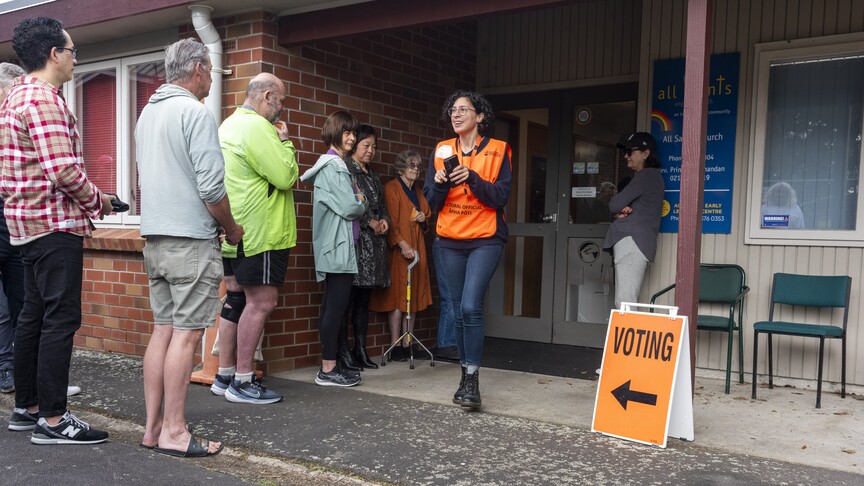
New Zealand's ruling coalition falls short of parliamentary majority by one seat today. BBC reported the official update on the tight vote count. This tiny gap means the government must find extra help to pass new laws.
What happened to the New Zealand ruling coalition?
The current leaders in New Zealand were trying to get a full majority in parliament. They needed just one more seat to reach that goal. Instead, they ended up short by a single spot. This result puts the team in a tricky place as they try to run the country.
When a government lacks a full majority, it cannot pass ideas on its own. Every vote in parliament now requires total teamwork. If just one member disagrees, a planned law might fail completely. The leaders must work hard to keep their plans moving forward.
Why does missing a parliamentary majority by one seat matter?
Missing a majority by just one seat changes how a country is run every day. Regular people might see big political debates slow down key decisions. The government has to talk to other parties to get things done. This often leads to long talks and big changes to original plans.
It also means small groups in parliament get a lot of fresh power. The ruling team has to ask extra members for their votes on every big issue. If those members say no, the government cannot move ahead. This creates a balanced but very slow way to make rules for the country.
How does a government rule without a full majority?
Governments can still work even when they are short on votes. Here are the main ways leaders manage this tight political setup:
- They talk with other independent members before every major vote.
- They change their proposed laws so other political groups will agree to vote yes.
- They focus on simple ideas that most people in parliament already like.
- They spend extra time building strong working relationships across the room.
Working this way takes a lot of time and patience from everyone involved. Leaders must check in with other lawmakers every single week. If they do not build these deals, essential work like budget plans can get stuck. It makes every voting day in parliament very tense.
What will happen next in New Zealand parliament?
The ruling coalition will now start looking for partners to help them. They need to find at least one reliable vote to back their plans. Without that extra support, their work in parliament will face strong opposition every day. News reporters will watch every vote closely to see who supports the team.
The coming weeks will show if the current leaders can hold things together. Everyday citizens will watch to see if taxes, bills, and local projects get delayed. A tight parliament forces politicians to listen to each other much more. People in New Zealand will soon find out how well this plan works.



0 Comments